
Controlling Foot Wound Odor During Recovery

Wound odor can become a frustrating and emotional problem for many patients dealing with chronic or slow-healing foot injuries. Some people become reluctant to participate in activities or spend time with others because they are concerned about the odor. It can also create challenges for family members and medical staff involved in ongoing wound management. Although odor is common in some chronic wounds, it should never be ignored because it may point to changes within the injured tissue that need medical attention. Understanding the cause of wound odor is an important step toward improving both comfort and healing.

In many cases, wound odor develops when bacteria and other microorganisms grow within damaged tissue. As these organisms break down proteins and other material inside the wound, gases may be released that create an unpleasant smell. Heavy drainage, dead tissue, poor circulation, and excess moisture may also contribute to worsening odor. Wounds that remain open for long periods are often more vulnerable to these problems. Patients with diabetes, vascular disease, or reduced mobility may face a higher risk of chronic foot wounds and odor-related complications. Odor becomes more noticeable when wound drainage accumulates beneath a bandage or dressing.

Modern wound care treatments are designed to improve the wound environment while lowering harmful bacterial levels. Proper cleansing, removal of damaged tissue, and advanced dressings can help reduce odor while supporting healthier healing conditions. Some dressings are specially designed to absorb drainage and control bacteria that contribute to unpleasant smells. An odor that becomes stronger or develops suddenly may be a warning sign of infection or tissue breakdown. Redness, swelling, and pain should also be evaluated promptly. Warmth or increased drainage are also warning signs. If you are experiencing persistent foot wound odor or slow-healing foot wounds, it is suggested that you see a podiatrist for a proper diagnosis and appropriate treatment.

Wound care is an important part in dealing with diabetes. If you have diabetes and a foot wound or would like more information about wound care for diabetics, consult with Donovan Gowdie, DPM from The Foot & Ankle Treatment Center. Our doctor will assess your condition and provide you with quality foot and ankle treatment.

What Is Wound Care?

Wound care is the practice of taking proper care of a wound. This can range from the smallest to the largest of wounds. While everyone can benefit from proper wound care, it is much more important for diabetics. Diabetics often suffer from poor blood circulation which causes wounds to heal much slower than they would in a non-diabetic. 

What Is the Importance of Wound Care?

While it may not seem apparent with small ulcers on the foot, for diabetics, any size ulcer can become infected. Diabetics often also suffer from neuropathy, or nerve loss. This means they might not even feel when they have an ulcer on their foot. If the wound becomes severely infected, amputation may be necessary. Therefore, it is of the upmost importance to properly care for any and all foot wounds.

How to Care for Wounds

The best way to care for foot wounds is to prevent them. For diabetics, this means daily inspections of the feet for any signs of abnormalities or ulcers. It is also recommended to see a podiatrist several times a year for a foot inspection. If you do have an ulcer, run the wound under water to clear dirt from the wound; then apply antibiotic ointment to the wound and cover with a bandage. Bandages should be changed daily and keeping pressure off the wound is smart. It is advised to see a podiatrist, who can keep an eye on it.

If you have any questions please contact our office located in Watkinsville, GA . We offer the newest diagnostic and treatment technologies for all your foot and ankle needs.

Read more about Wound Care

Dealing With an Ankle Sprain

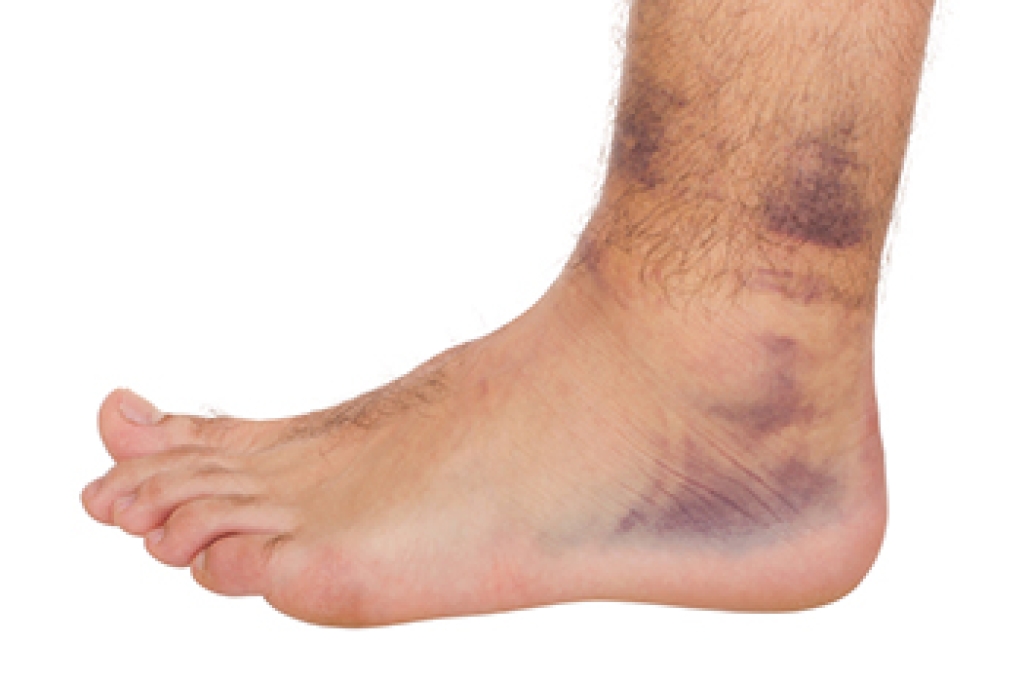
It can be difficult to tell the difference between an ankle sprain and a fracture without proper evaluation. Both often occur after a fall, misstep, or sudden twist, and each can cause immediate pain, swelling, and difficulty bearing weight. A sprained ankle involves stretched or torn ligaments, while a broken ankle affects one or more bones. Common symptoms include bruising, stiffness, and instability along with swelling, tenderness, limited motion. The ankle may look puffy or misshapen and it can feel weak, especially during movement. Causes include sports injuries, uneven surfaces and accidents. A podiatrist can help by performing a detailed examination and ordering imaging to accurately diagnose the injury and rule out fractures. Treatment may begin with immobilization, rest, and supportive devices. It then can progress to targeted exercises, bracing, or surgical care depending on severity. If you have sustained an ankle injury, it is suggested that you make an appointment with a podiatrist.

Although ankle sprains are common, they aren’t always minor injuries. If you need your ankle injury looked at, contact Donovan Gowdie, DPM from The Foot & Ankle Treatment Center. Our doctor can provide the care you need to keep you pain-free and on your feet.

How Does an Ankle Sprain Occur?

Ankle sprains are the result of a tear in the ligaments within the ankle. These injuries may happen when you make a rapid shifting movement while your foot is planted. A less common way to sprain your ankle is when your ankle rolls inward while your foot turns outward.

What Are the Symptoms?

  • Pain at the sight of the tear
  • Bruising/Swelling
  • Ankle area is tender to touch
  • In severe cases, may hear/feel something tear
  • Skin discoloration

Preventing a Sprain

  • Wearing appropriate shoes for the occasion
  • Stretching before exercises and sports
  • Knowing your limits

Treatment of a Sprain

In many cases, the RICE method (Rest, Ice, Compression, and Elevate) is used to treat ankle sprains. However, you should see a podiatrist to see which treatment option would work best with your injury. In severe cases, surgery may be required.

It is important to ask your doctor about rehab options after you receive treatment for your injury. Stretching, strength training, and balance exercises may help the ankle heal while also preventing further injury.

If you have any questions, please feel free to contact our office located in Watkinsville, GA . We offer the newest diagnostic and treatment technologies for all your foot care needs.

Read more about Ankle Sprains

Foot Problems Caused by Diabetes

People with diabetes can develop several serious foot problems because high blood sugar can damage nerves and reduce blood flow to the feet. Nerve damage can make it hard to feel pain, heat, or cuts on the skin. A person might step on something sharp or develop a blister without noticing it. Reduced blood flow slows healing and raises the risk of infection. Common diabetic foot problems include numbness, burning pain, and tingling sensations in the feet. Diabetes also increases the risk of dry skin, cracked heels, and thick calluses.

Any small cuts or cracks in the skin can turn into open sores, called ulcers. These wounds can become infected and lead to severe tissue damage when left untreated. Some infections spread into deeper skin layers and bone, which can make standing or walking very painful. Changes in foot shape can also develop because weak muscles and damaged nerves affect how the feet support body weight. People with diabetes sometimes develop hammertoes, bunions, or collapsed arches. Ingrown toenails and fungal nail infections are also common because poor circulation affects skin and nail health.

A podiatrist can examine the feet for signs of nerve damage and poor circulation. Treatment includes removing thickened skin, caring for wounds, and recommending diabetic-friendly shoes that reduce pressure on painful areas. A podiatrist can also provide custom orthotics to improve balance and protect sensitive skin. Regular foot exams are important because early treatment can help prevent more serious complications. Daily foot checks at home are also helpful for finding cuts, redness, swelling, or skin changes before they become severe. Diabetes-related foot problems can worsen quickly when ignored, especially when infections develop. If you have foot problems linked to diabetes, it is suggested that you make an appointment with a podiatrist for an exam and treatment options.

Diabetic foot care is important in preventing foot ailments such as ulcers. If you are suffering from diabetes or have any other concerns about your feet, contact Donovan Gowdie, DPM from The Foot & Ankle Treatment Center. Our doctor can provide the care you need to keep you pain-free and on your feet.

Diabetic Foot Care

Diabetes affects millions of people every year. The condition can damage blood vessels in many parts of the body, especially the feet. Because of this, taking care of your feet is essential if you have diabetes, and having a podiatrist help monitor your foot health is highly recommended.

The Importance of Caring for Your Feet

  • Routinely inspect your feet for bruises or sores.
  • Wear socks that fit your feet comfortably.
  • Wear comfortable shoes that provide adequate support.

Patients with diabetes should have their doctor monitor their blood levels, as blood sugar levels play such a huge role in diabetic care. Monitoring these levels on a regular basis is highly advised.

It is always best to inform your healthcare professional of any concerns you may have regarding your feet, especially for diabetic patients. Early treatment and routine foot examinations are keys to maintaining proper health, especially because severe complications can arise if proper treatment is not applied.

If you have any questions, please feel free to contact our office located in Watkinsville, GA . We offer the newest diagnostic and treatment technologies for all your foot care needs.

Read more about Diabetic Foot Care

5th Metatarsal Fractures Explained

A fracture of the fifth metatarsal is a break in the long bone on the outer side of the foot. This injury is common in athletes and dancers because of repeated stress, quick direction changes, and high impact activity. It may appear as pain along the outer foot, swelling, bruising, and difficulty walking or placing weight on the foot. Some fractures happen suddenly from a twist or fall, while others develop gradually from overuse. Because this area has a limited blood supply, proper evaluation is important for healing. A podiatrist can identify the type of fracture with imaging and determine the best course of treatment. Care may include immobilization or surgical support to ensure proper alignment and recovery. If you have a foot fracture, it is suggested that you consult a podiatrist who can offer the treatment that is best for you.

A broken foot requires immediate medical attention and treatment. If you need your feet checked, contact Donovan Gowdie, DPM from The Foot & Ankle Treatment Center. Our doctor can provide the care you need to keep you pain-free and on your feet.

Broken Foot Causes, Symptoms, and Treatment

A broken foot is caused by one of the bones in the foot typically breaking when bended, crushed, or stretched beyond its natural capabilities. Usually the location of the fracture indicates how the break occurred, whether it was through an object, fall, or any other type of injury. 

Common Symptoms of Broken Feet:

  • Bruising
  • Pain
  • Redness
  • Swelling
  • Blue in color
  • Numbness
  • Cold
  • Misshapen
  • Cuts
  • Deformities

Those that suspect they have a broken foot shoot seek urgent medical attention where a medical professional could diagnose the severity.

Treatment for broken bones varies depending on the cause, severity and location. Some will require the use of splints, casts or crutches while others could even involve surgery to repair the broken bones. Personal care includes the use of ice and keeping the foot stabilized and elevated.

If you have any questions, please feel free to contact our office located in Watkinsville, GA . We offer the newest diagnostic and treatment technologies for all your foot care needs.

Read more about Causes, Symptoms, and Treatment for a Broken Foot

Ankle Fracture? Don’t Wait for Treatment

If you're suffering from an ankle fracture, professional attention shouldn't wait. Fractures may worsen over time and can make completing everyday activities incredibly difficult. See your specialist for treatment and guidance through the healing process. 

scroll to top