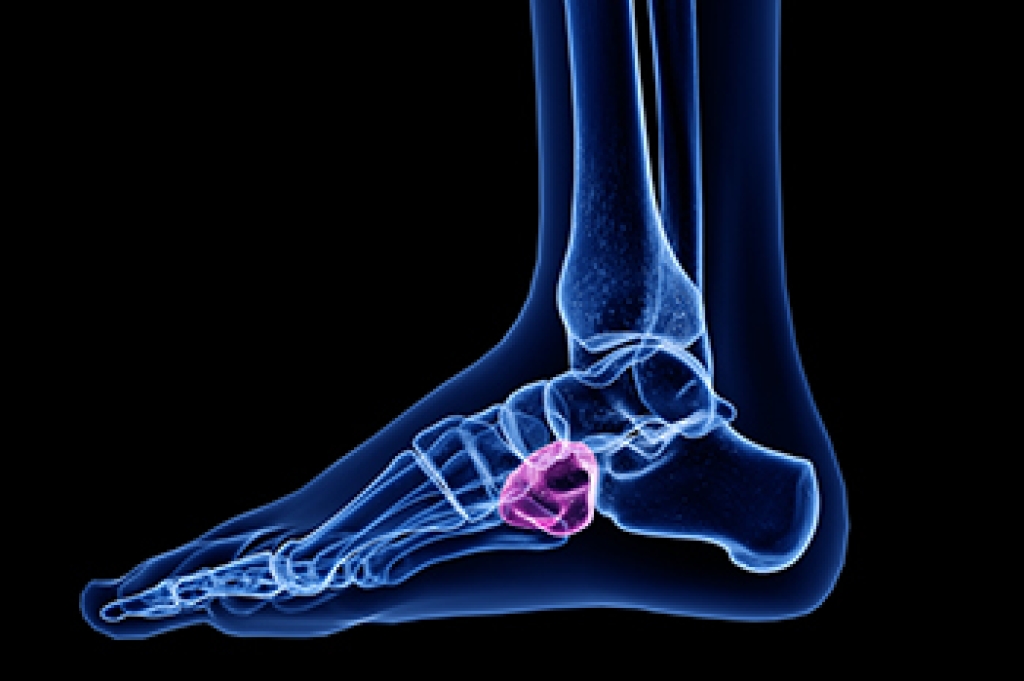
Cuboid Syndrome and Lateral Foot Pain

Cuboid syndrome affects the cuboid bone on the outer side of the foot and is a common cause of lateral foot pain. The cuboid plays an important role in foot stability and movement, especially during walking and running. This condition occurs when the cuboid bone becomes slightly misaligned or disrupted, often due to strain or injury. Even a small shift in this bone can lead to significant discomfort and difficulty with normal foot function.

Symptoms of cuboid syndrome include sharp or aching pain along the outer side of the foot. This pain may worsen with weight bearing activities, such as walking, standing, or pushing off during movement. Some individuals experience tenderness when pressing on the affected area, along with mild swelling. Limited mobility and weakness in the foot may also develop, making it difficult to maintain balance or perform daily activities. In some cases, the pain may come and go, especially after periods of rest or increased activity.


Several causes contribute to the development of cuboid syndrome. Trauma to the foot, such as a sudden twist or ankle injury, is one of the most common triggers. Repetitive strain from physical activity or improper footwear can also lead to misalignment of the cuboid bone. Altered foot biomechanics, including flat feet or abnormal gait patterns, may place added stress on the lateral side of the foot. 


Risk factors for cuboid syndrome include participation in sports that involve quick directional changes, a history of ankle instability, and prolonged standing or walking. Individuals with poor foot mechanics or inadequate support may also be more likely to develop this condition. Early recognition and treatment can help restore proper alignment and reduce pain. A podiatrist can assess the foot and recommend appropriate care to improve function. If you have pain on the outside of your foot, it is suggested that you consult a podiatrist who can accurately diagnose and treat cuboid syndrome. 

Cuboid syndrome, also known as cuboid subluxation, occurs when the joints and ligaments near the cuboid bone in the foot become torn. If you have cuboid syndrome, consult with Donovan Gowdie, DPM from The Foot & Ankle Treatment Center. Our doctor will assess your condition and provide you with quality foot and ankle treatment.

Cuboid syndrome is a common cause of lateral foot pain, which is pain on the outside of the foot. The condition may happen suddenly due to an ankle sprain, or it may develop slowly overtime from repetitive tension through the bone and surrounding structures.

Causes

The most common causes of cuboid syndrome include:

  • Injury – The most common cause of this ailment is an ankle sprain.
  • Repetitive Strain – Tension placed through the peroneus longus muscle from repetitive activities such as jumping and running may cause excessive traction on the bone causing it to sublux.
  • Altered Foot Biomechanics – Most people suffering from cuboid subluxation have flat feet.

Symptoms

A common symptom of cuboid syndrome is pain along the outside of the foot which can be felt in the ankle and toes. This pain may create walking difficulties and may cause those with the condition to walk with a limp.

Diagnosis

Diagnosis of cuboid syndrome is often difficult, and it is often misdiagnosed. X-rays, MRIs and CT scans often fail to properly show the cuboid subluxation. Although there isn’t a specific test used to diagnose cuboid syndrome, your podiatrist will usually check if pain is felt while pressing firmly on the cuboid bone of your foot.

Treatment

Just as the range of causes varies widely, so do treatments. Some more common treatments are ice therapy, rest, exercise, taping, and orthotics.

If you have any questions, please feel free to contact our office located in Watkinsville, GA . We offer the newest diagnostic and treatment technologies for all your foot care needs.
Read more about All About Cuboid Syndrome

Understanding Foot Pain and How the Feet Move

Foot pain can affect the way a person stands, walks, and completes daily activities. Pain can occur in different areas, including the toes, forefoot, and back part of the foot. Foot structure and the way the foot moves can also play a role in discomfort. A low-arched foot, sometimes called a flat foot, has a lower inner arch when bearing weight. Another pattern involves the foot rolling inward more than expected while walking. Research involving more than 3,000 people found associations between certain foot structures and foot pain. The findings showed that low-arched foot posture was associated with arch pain in men, while inward-rolling foot function was associated with general foot pain and heel pain in men. These findings show that foot shape and movement can be important factors when evaluating foot discomfort.

A podiatrist can evaluate foot structure, movement, and areas of pain to help determine factors that contribute to symptoms. The examination can consider how the feet function while standing and walking. It can also assess whether changes in foot movement place added stress on certain areas. Podiatric care can include gait evaluation, assessment of foot alignment, and treatment designed to support normal foot function. Care can be tailored to the location and cause of the pain. Wearing footwear that provides proper support can also be considered when foot structure or movement contributes to discomfort. In some cases, supportive devices may be used to help modify foot function. The goal is to reduce stress on painful areas and support comfortable movement during daily activities.

Foot pain can have many contributing factors, so the shape of the foot alone does not explain every case. Age, weight, and other foot conditions can also influence symptoms. Pain that continues or affects normal movement deserves evaluation. A podiatrist can identify changes in foot structure and function and develop care based on the specific symptoms. Understanding how the foot moves can also help guide treatment and support better function. Research suggests that modifying abnormal foot posture or movement can have a role in managing foot pain. If you have foot pain, it is suggested that you schedule an appointment with a podiatrist for a diagnosis and appropriate treatment.

Foot Pain

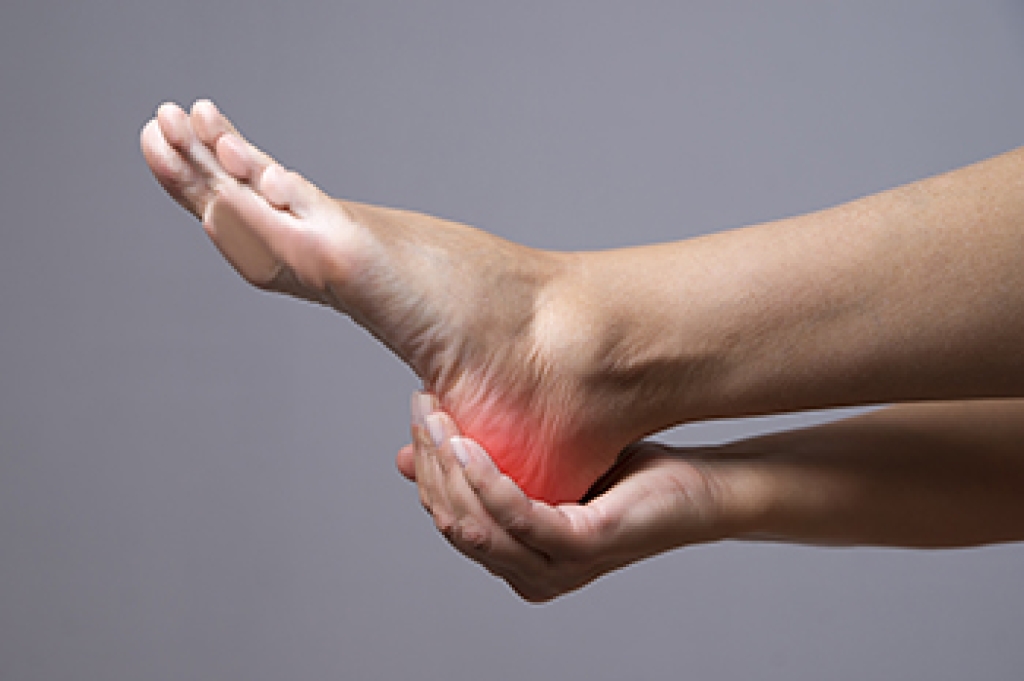
Foot pain can be extremely painful and debilitating. If you have a foot pain, consult with Donovan Gowdie, DPM from The Foot & Ankle Treatment Center. Our doctor will assess your condition and provide you with quality foot and ankle treatment.

Causes

Foot pain is a very broad condition that could be caused by one or more ailments. The most common include:

  • Bunions
  • Hammertoes
  • Plantar Fasciitis
  • Bone Spurs
  • Corns
  • Tarsal Tunnel Syndrome
  • Ingrown Toenails
  • Arthritis (such as Gout, Rheumatoid, and Osteoarthritis)
  • Flat Feet
  • Injury (from stress fractures, broken toe, foot, ankle, Achilles tendon ruptures, and sprains)
  • And more

Diagnosis

To figure out the cause of foot pain, podiatrists utilize several different methods. This can range from simple visual inspections and sensation tests to X-rays and MRI scans. Prior medical history, family medical history, and any recent physical traumatic events will all be taken into consideration for a proper diagnosis.

Treatment

Treatment depends upon the cause of the foot pain. Whether it is resting, staying off the foot, or having surgery; podiatrists have a number of treatment options available for foot pain.

If you have any questions, please feel free to contact our office located in Watkinsville, GA . We offer the newest diagnostic and treatment technologies for all your foot care needs.
Read more about Foot Pain

The Importance of Professional Foot Wound Care

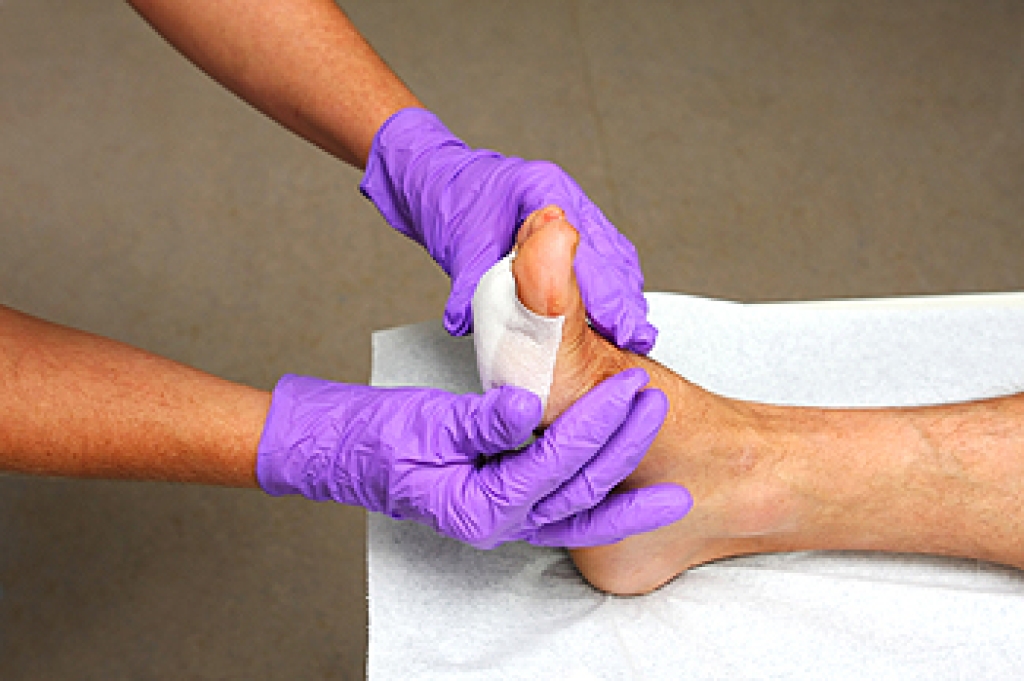
Foot wounds can develop from cuts, punctures, scrapes, or other injuries that damage the skin. While some wounds may seem minor at first, they can become more serious if healing is delayed or complications develop. Pain, swelling, and redness are common symptoms, while some wounds may also produce drainage or become warm to the touch. People with diabetes, poor circulation, or reduced feeling in their feet often face a greater risk of slow-healing wounds and infection. Because the feet are under constant pressure from standing and walking, even a small wound can interfere with daily activities. A professional evaluation is important to determine the severity of the wound and identify the most appropriate treatment.


Proper wound healing depends on healthy blood flow, clean tissue, and protection from additional injury. If a foot wound remains open for too long, the surrounding tissue may become damaged and the risk of infection can increase. As discomfort worsens, many people begin to change the way they walk, placing extra stress on the ankle, knee, or hip. A thorough podiatry examination helps evaluate the depth of the wound and identify any underlying conditions that may delay healing. In some cases, additional testing may be needed to assess circulation or determine whether an infection is present. Early diagnosis helps reduce the risk of more serious complications and supports better long-term foot health.


A podiatrist specializes in evaluating and treating foot wounds while carefully monitoring the healing process. Professional treatment focuses on protecting healthy tissue, promoting wound healing, and reducing the risk of infection. Care is tailored to each patient's needs and may be adjusted as the wound improves. Regular follow-up visits allow healing to be monitored and any concerns to be addressed promptly. If you have a foot wound that is painful, slow to heal, or showing signs of infection, it is suggested that you consult a podiatrist for an evaluation and appropriate treatment options.

Wound care is an important part in dealing with diabetes. If you have diabetes and a foot wound or would like more information about wound care for diabetics, consult with Donovan Gowdie, DPM from The Foot & Ankle Treatment Center. Our doctor will assess your condition and provide you with quality foot and ankle treatment.

What Is Wound Care?

Wound care is the practice of taking proper care of a wound. This can range from the smallest to the largest of wounds. While everyone can benefit from proper wound care, it is much more important for diabetics. Diabetics often suffer from poor blood circulation which causes wounds to heal much slower than they would in a non-diabetic. 

What Is the Importance of Wound Care?

While it may not seem apparent with small ulcers on the foot, for diabetics, any size ulcer can become infected. Diabetics often also suffer from neuropathy, or nerve loss. This means they might not even feel when they have an ulcer on their foot. If the wound becomes severely infected, amputation may be necessary. Therefore, it is of the upmost importance to properly care for any and all foot wounds.

How to Care for Wounds

The best way to care for foot wounds is to prevent them. For diabetics, this means daily inspections of the feet for any signs of abnormalities or ulcers. It is also recommended to see a podiatrist several times a year for a foot inspection. If you do have an ulcer, run the wound under water to clear dirt from the wound; then apply antibiotic ointment to the wound and cover with a bandage. Bandages should be changed daily and keeping pressure off the wound is smart. It is advised to see a podiatrist, who can keep an eye on it.

If you have any questions please contact our office located in Watkinsville, GA . We offer the newest diagnostic and treatment technologies for all your foot and ankle needs.

Read more about Wound Care

How a Podiatrist Can Help Relieve Heel Pain

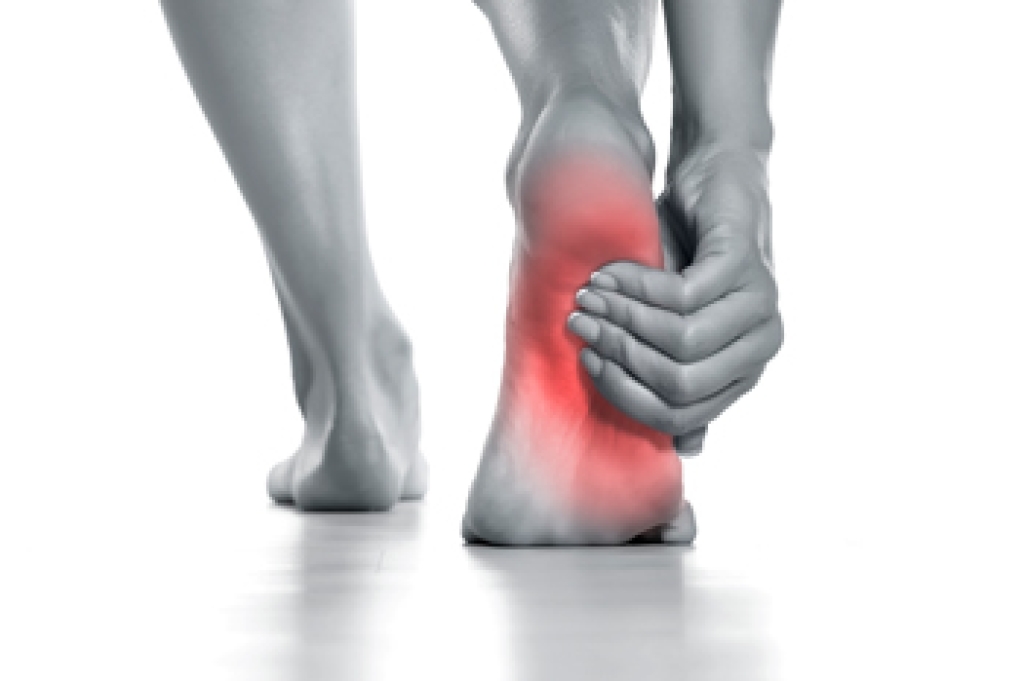
Heel pain is one of the most common foot problems and can make walking, standing, or exercising uncomfortable. The pain may begin gradually or appear suddenly, depending on the underlying cause. Conditions that can contribute to heel pain include plantar fasciitis, Achilles tendon disorders, and heel pad syndrome. Other causes include stress fractures or nerve irritation. Symptoms may include aching, sharp pain, or tenderness near the bottom or back of the heel. Some people notice discomfort with their first steps after resting, while others experience pain that worsens during activity. Because many conditions can produce similar symptoms, a professional evaluation is important to determine the exact cause and recommend the most appropriate treatment.


The heel absorbs significant force with every step, making it vulnerable to repeated stress and overuse. Persistent heel pain can affect the way a person walks, placing additional strain on nearby joints and soft tissues. This may lead to discomfort in the ankle, knee, or hip. A thorough examination helps identify which structures are involved and whether inflammation, tissue injury, or another condition is responsible for the symptoms. In some cases, imaging studies may be recommended to confirm the diagnosis. Identifying the source of heel pain early allows treatment to begin before the condition becomes more severe or limits daily activities.


A podiatrist specializes in diagnosing and treating heel pain by evaluating foot structure, walking mechanics, and overall function. Treatment is tailored to the underlying condition and focuses on relieving pain, improving mobility, and restoring normal foot function. Early podiatry care may also help reduce stress on surrounding tissues and lower the risk of ongoing problems. Regular follow-up exams allow progress to be monitored and treatment to be adjusted when needed. If heel pain is affecting your ability to walk or participate in daily activities, it is suggested that you consult a podiatrist for an evaluation and appropriate treatment options.

Many people suffer from bouts of heel pain. For more information, contact Donovan Gowdie, DPM of The Foot & Ankle Treatment Center. Our doctor can provide the care you need to keep you pain-free and on your feet.

Causes of Heel Pain

Heel pain is often associated with plantar fasciitis. The plantar fascia is a band of tissues that extends along the bottom of the foot. A rip or tear in this ligament can cause inflammation of the tissue.

Achilles tendonitis is another cause of heel pain. Inflammation of the Achilles tendon will cause pain from fractures and muscle tearing. Lack of flexibility is also another symptom.

Heel spurs are another cause of pain. When the tissues of the plantar fascia undergo a great deal of stress, it can lead to ligament separation from the heel bone, causing heel spurs.

Why Might Heel Pain Occur?

  • Wearing ill-fitting shoes                
  • Wearing non-supportive shoes
  • Weight change           
  • Excessive running

Treatments

Heel pain should be treated as soon as possible for immediate results. Keeping your feet in a stress-free environment will help. If you suffer from Achilles tendonitis or plantar fasciitis, applying ice will reduce the swelling. Stretching before an exercise like running will help the muscles. Using all these tips will help make heel pain a condition of the past.

If you have any questions, please feel free to contact our office located in Watkinsville, GA . We offer the newest diagnostic and treatment technologies for all your foot care needs.

Read more about Heel Pain

Heel Pain in the Morning?

Heel pain can negatively affect your day-to-day life. Simple activities like walking can become incredibly uncomfortable or painful due to heel pain.

Don’t live with heel pain and get treated.

scroll to top