
Do you work on your feet all day and find your feet in pain? Don't go to work in pain each day. Your foot pain can be treated, and we can help.
Do you work on your feet all day and find your feet in pain? Don't go to work in pain each day. Your foot pain can be treated, and we can help.
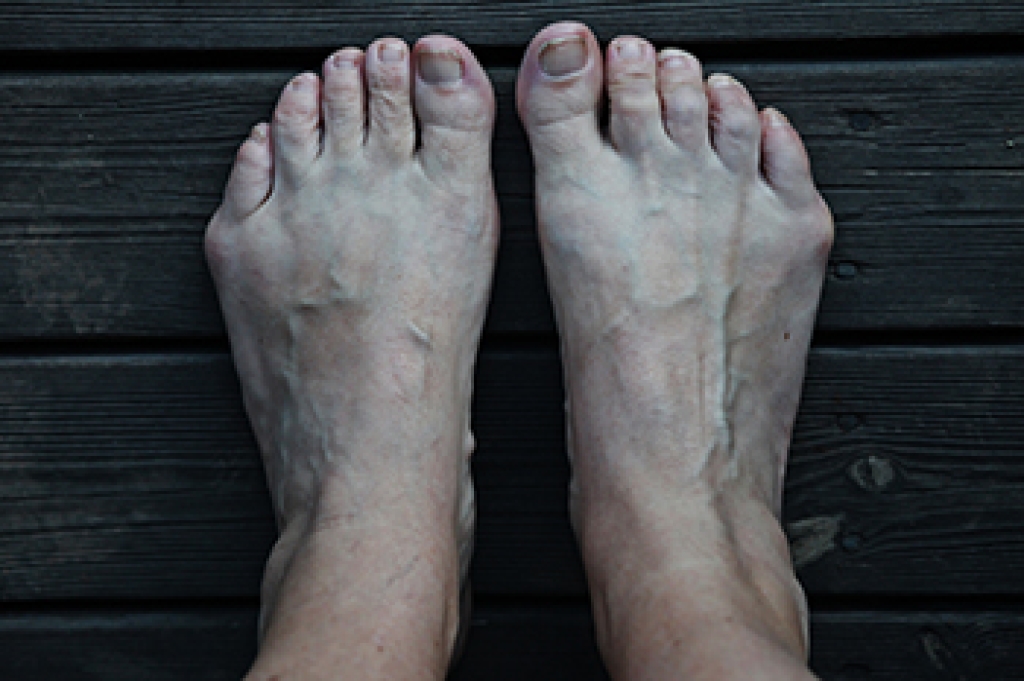
A bunionette is a bony bump on the outside of the foot at the base of the little toe. The bump forms when the fifth metatarsal, the bone behind the little toe, shifts outward or has an unusual shape. The little toe may lean inward. Pressure from shoes can irritate the area and cause redness, swelling, or a painful callus. Some patients feel pain beneath the joint rather than beside it. A podiatrist can determine whether the discomfort comes from a bunionette or another foot problem.
Treatment begins with an examination of the foot. The podiatrist checks the bump, skin, and little-toe joint. Weight-bearing X-rays can show the position and shape of the bones while the patient is standing. These images help the podiatrist select treatment that matches the deformity. Options include padding to reduce rubbing, professional callus care, and custom orthotics to improve pressure distribution. The podiatrist can also recommend shoes with a wide toe box and enough room along the outside of the foot. If swelling is severe, an injection may be considered to reduce inflammation. These measures do not remove the bump, but they can ease pressure and make standing or walking more comfortable.
Surgery can be considered when pain continues despite treatment or when the deformity limits activity. The chosen procedure depends on the location of the bump and the position of the fifth metatarsal. A surgeon may remove excess bone, realign the metatarsal, or correct the little toe. Recovery instructions depend on the procedure and can include protected weight-bearing in a special shoe. Follow-up visits allow the podiatrist to check healing and guide a safe return to regular shoes and activity. Patients should seek prompt care for worsening redness, open skin, or drainage around the bump. If you have a painful bunionette, it is suggested that you schedule an appointment with a podiatrist who can offer effective relief and management solutions.
If you are suffering from bunions, contact Donovan Gowdie, DPM of The Foot & Ankle Treatment Center. Our doctor can provide the care you need to keep you pain-free and on your feet.
What Is a Bunion?
A bunion is formed of swollen tissue or an enlargement of boney growth, usually located at the base joint of the toe that connects to the foot. The swelling occurs due to the bones in the big toe shifting inward, which impacts the other toes of the foot. This causes the area around the base of the big toe to become inflamed and painful.
Why Do Bunions Form?
Genetics – Susceptibility to bunions are often hereditary
Stress on the feet – Poorly fitted and uncomfortable footwear that places stress on feet, such as heels, can worsen existing bunions
How Are Bunions Diagnosed?
Podiatrists often perform two tests – blood tests and x-rays – when trying to diagnose bunions, especially in the early stages of development. Blood tests help determine if the foot pain is being caused by something else, such as arthritis, while x-rays provide a clear picture of your bone structure to your provider.
How Are Bunions Treated?
If you have any questions, please feel free to contact our office located in Watkinsville, GA . We offer the newest diagnostic and treatment technologies for all your foot care needs.

Foot surgery may be considered when a painful foot problem does not improve with more conservative medical treatments. Different procedures are available because foot conditions can affect bones, joints, or soft tissues in different ways. For example, bunion surgery may be recommended when severe pain makes walking or wearing closed shoes difficult. The goal is to realign the joint and reduce pain. Surgery may also be used for hammertoes, which cause a toe to bend abnormally and may become painful when wearing shoes. The exact procedure depends on the problem and how severely it affects daily movement.
Other types of foot surgery address pain or structural problems in different areas of the foot and ankle. Fusion surgery may be performed for arthritis when damaged cartilage allows bones to rub against each other. The procedure joins certain bones together to reduce painful movement. Heel surgery may involve releasing part of the plantar fascia, a strong band of tissue connecting the toes to the heel bone. Surgery can also address damaged or poorly functioning tendons. Depending on the problem, a tendon may be shortened, lengthened, or moved to improve foot or ankle movement.
A podiatrist can evaluate ongoing foot pain and determine whether surgery may be an appropriate treatment option. The evaluation considers the location of the problem, its effect on mobility, and the specific structures involved. A podiatrist can explain available surgical procedures and help determine which approach best fits the patient's condition. Foot surgery may be considered for problems involving bunions, painful joints, or other structural concerns when earlier medical treatments have not provided enough relief. The purpose of treatment includes reducing pain and improving movement so daily activities become easier. If persistent foot pain or a structural problem is interfering with your ability to walk comfortably, it is suggested that you consult a podiatrist for an evaluation and appropriate treatment options.
Foot surgery is sometimes necessary to treat a foot ailment. To learn more, contact Donovan Gowdie, DPM of The Foot & Ankle Treatment Center. Our doctor will assist you with all of your foot and ankle needs.
When Is Surgery Necessary?
Foot and ankle surgery is generally reserved for cases in which less invasive, conservative procedures have failed to alleviate the problem. Some of the cases in which surgery may be necessary include:
What Types of Surgery Are There?
The type of surgery you receive will depend on the nature of the problem you have. Some of the possible surgeries include:
Benefits of Surgery
Although surgery is usually a last resort, it can provide more complete pain relief compared to non-surgical methods and may allow you to finally resume full activity.
Surgical techniques have also become increasingly sophisticated. Techniques like endoscopic surgery allow for smaller incisions and faster recovery times.
If you have any questions, please feel free to contact our office located in Watkinsville, GA . We offer the newest diagnostic and treatment technologies for all your foot care needs.

Corns are thick, hardened areas of skin that develop when the foot is exposed to repeated pressure or friction. They often form on the tops, sides, or tips of the toes, and they can also develop between the toes. A corn may have a firm center that presses into deeper tissue and causes pain. Pressure from tight-fitting shoes, high heels, or foot and toe shape can contribute to corn formation. Some corns are softer because they develop between toes where moisture is present. Patients may notice a raised area that feels tender when touched or when pressure is placed on it.
A podiatrist can examine a corn and determine what is causing the repeated pressure. The location of the corn can provide clues about how pressure is affecting the foot. A podiatrist can also check for related foot concerns that could contribute to friction. Professional treatment focuses on reducing pressure and protecting the affected skin. Depending on the cause, care can include removing thickened skin, using protective padding, or recommending changes that reduce pressure on the area. A podiatrist can also assess whether a foot or toe problem is affecting how pressure is distributed when walking.
Persistent corns can become painful and irritated, especially when pressure continues to affect the same area. In some cases, a corn can contribute to skin breakdown or other problems. A podiatrist can monitor the affected area and determine whether further treatment is appropriate. Professional evaluation is especially useful when a corn returns repeatedly, interferes with walking, or causes significant discomfort and affects normal daily activities at home and work. Treatment can also address the source of pressure rather than focusing only on the hardened skin. This approach can help protect the foot and reduce repeated irritation. If you have symptoms of corns, it is suggested that you make an appointment with a podiatrist for diagnosis and treatment.
If you have any concerns regarding your feet and ankles, contact Donovan Gowdie, DPM of The Foot & Ankle Treatment Center. Our doctor will treat your foot and ankle needs.
Corns: What Are They? and How Do You Get Rid of Them?
Corns can be described as areas of the skin that have thickened to the point of becoming painful or irritating. They are often layers and layers of the skin that have become dry and rough, and are normally smaller than calluses.
Ways to Prevent Corns
There are many ways to get rid of painful corns such as wearing:
Treating Corns
Treatment of corns involves removing the dead skin that has built up in the specific area of the foot. Consult with Our doctor to determine the best treatment option for your case of corns.
If you have any questions, please feel free to contact our office located in Watkinsville, GA . We offer the newest diagnostic and treatment technologies for all your foot care needs.

Ankle pain can interfere with walking, exercise, and everyday activities that require movement. The ankle connects the leg to the foot and allows the foot to move up, down, and from side-to-side. Pain can develop suddenly after an injury or result from a condition. An ankle sprain is one possible cause. Arthritis and tendon irritation can also cause discomfort. Other causes include fractures, nerve compression, and poor alignment of the foot or leg. The cause can affect how long symptoms last and how severe they become.
Ankle pain can occur alone or appear with swelling, stiffness, and redness. Warmth surrounding the joint can also develop. These signs can help identify what is affecting the ankle. Sports that involve jumping or quick changes in direction can increase the chance of an ankle injury. Basketball and volleyball are examples. Wearing shoes that lack proper support can also place added stress on the feet and ankles. Ankle instability can develop after a previous injury and make the joint feel weak or unreliable when standing or walking.
A podiatrist can examine the ankle, review how the injury occurred, and assess the way the foot moves. This evaluation can help identify whether pain comes from a sprain, arthritis, or another problem. Treatment can include a brace, splint, or orthotic insert depending on the cause and severity. Orthotic inserts are devices placed inside shoes to improve support and alignment. More serious ankle problems can require surgery. A podiatrist can also guide a patient toward safe movement as the ankle recovers. Proper diagnosis is important because different causes of ankle pain determine the approach to care. If you have ankle pain, it is suggested that you schedule an appointment with a podiatrist for a diagnosis and appropriate treatment.
Ankle pain can have many different causes and the pain may potentially be serious. If you have ankle pain, consult with Donovan Gowdie, DPM from The Foot & Ankle Treatment Center. Our doctor will assess your condition and provide you with quality foot and ankle treatment.
Ankle pain is any condition that causes pain in the ankle. Due to the fact that the ankle consists of tendons, muscles, bones, and ligaments, ankle pain can come from a number of different conditions.
Causes
The most common causes of ankle pain include:
Symptoms
Symptoms of ankle injury vary based upon the condition. Pain may include general pain and discomfort, swelling, aching, redness, bruising, burning or stabbing sensations, and/or loss of sensation.
Diagnosis
Due to the wide variety of potential causes of ankle pain, podiatrists will utilize a number of different methods to properly diagnose ankle pain. This can include asking for personal and family medical histories and of any recent injuries. Further diagnosis may include sensation tests, a physical examination, and potentially x-rays or other imaging tests.
Treatment
Just as the range of causes varies widely, so do treatments. Some more common treatments are rest, ice packs, keeping pressure off the foot, orthotics and braces, medication for inflammation and pain, and surgery.
If you have any questions please feel free to contact our office located in Watkinsville, GA . We offer the newest diagnostic tools and technology to treat your foot and ankle needs.
