Toe pain can arise from a variety of causes, ranging from minor injuries to underlying medical conditions. Wearing tight or poorly fitting shoes can compress the toes, leading to discomfort, corns, or calluses. Ingrown toenails occur when the nail grows into the surrounding skin, causing pain, swelling, and sometimes infection. Sprained or stubbed toes from accidental trauma can also result in pain and difficulty walking. Medical conditions like gout may cause sudden, intense pain, redness, and swelling in the toes. Risk factors include high-impact activities, improper footwear, previous injuries, and certain health conditions. If you have toe pain, it is suggested that you consult a podiatrist who can determine what the cause is, and offer appropriate treatment solutions.
Toe pain can disrupt your daily activities. If you have any concerns, contact Donovan Gowdie, DPM of The Foot & Ankle Treatment Center. Our doctor can provide the care you need to keep you pain-free and on your feet.
What Causes Toe Pain?
Most severe toe pain is caused due to a sports injury, trauma from dropping something heavy on the toe, or bumping into something rigid. Other problems can develop over time for various reasons.
Toe pain can be caused by one or more ailments. The most common include:
- Trauma
- Sports injury
- Wearing shoes that are too tight
- Arthritis
- Gout
- Corns and calluses
- Hammertoe
- Bunions
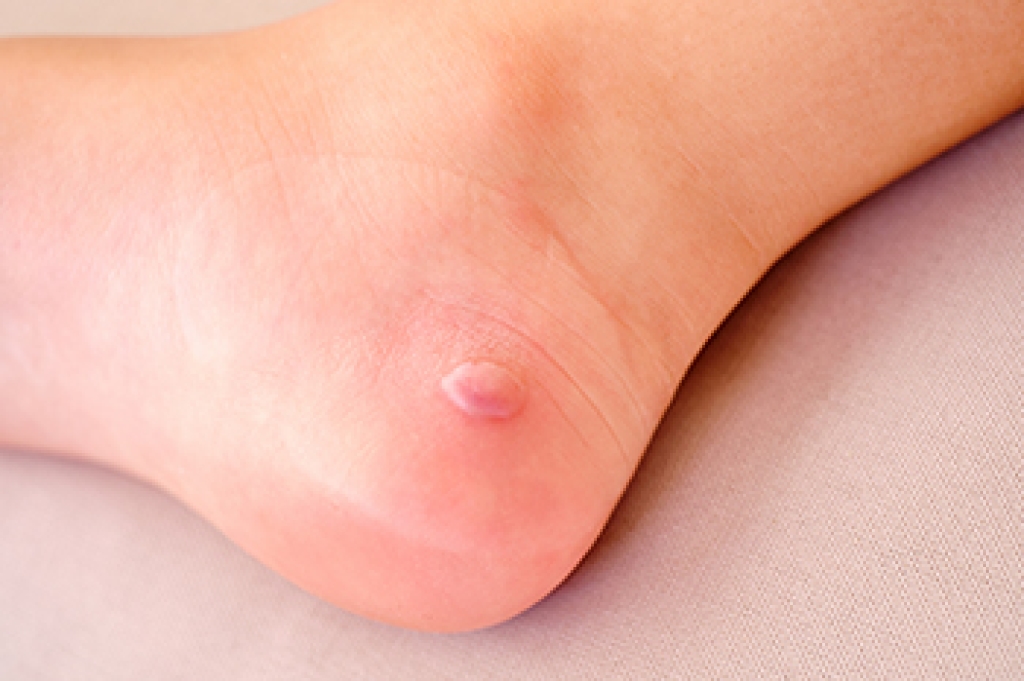
- Blisters
- Ingrown toenails
- Sprains
- Fractures (broken bones)
- Dislocations
When to See a Podiatrist
- Severe pain
- Persistent pain that lasts more than a week
- Signs of infection
- Continued swelling
- Pain that prevents walking
Diagnosis
In many cases the cause of toe pain is obvious, but in others, a podiatrist may want to use more advanced methods to determine the problem. These can range from simple visual inspections and sensation tests to X-rays and MRI scans. Prior medical history, family medical history, and any recent physical traumatic events will all be taken into consideration for a proper diagnosis.
Treatment
Treatments for toe pain and injuries vary and may include shoe inserts, padding, taping, medicines, injections, and in some cases, surgery. If you believe that you have broken a toe, please see a podiatrist as soon as possible.
If you have any questions please contact our office located in Watkinsville, GA . We offer the newest diagnostic and treatment technologies for all your foot and ankle needs.